Quick Answer: What is Five Tips to Make Your WordPress Website Run? Five Tips to Make Your WordPress Website Run is a focused selection of WordPress options for a defined site goal. The useful choice matches the project content, audience, budget, accessibility requirements, performance target, and maintenance capacity rather than simply containing the most items.
| Five Tips to Make Your WordPress Website Run | a comparable WordPress alternative |
|---|---|
| Directly addresses the primary problem or decision in this article. | Uses a different workflow, product, or trade-off for a related outcome. |
| Best when its control, compatibility, maintenance, and evidence fit the site. | Best when simplicity, portability, performance, or another project constraint matters more. |
Use Five Tips to Make Your WordPress Website Run when the reader has a specific goal
Start with the outcome the reader wants, not with a feature list. For Five Tips to Make Your WordPress Website Run, identify the page, audience, workflow, or decision involved, then check the active theme, plugins, hosting, mobile experience, analytics, and caching before changing production settings.
Record the current state and test one representative example first. This makes the result easier to verify and gives you a defensible rollback point if the change affects visitors, search visibility, forms, or revenue.
Use Five Tips to Make Your WordPress Website Run to compare the practical tradeoffs
The closest alternative is a comparable WordPress alternative, but the right choice depends on the job rather than brand familiarity. Compare control, compatibility, accessibility, performance, support, exportability, security, recurring maintenance, and the cost of changing direction later.
A professional decision names who should use the option, who should avoid it, and what evidence would change the recommendation. That is more useful than calling one tool the universal winner.
Use Five Tips to Make Your WordPress Website Run and verify the result
After applying the advice, test the same public URL or workflow as the same type of visitor who reported the issue. Check desktop and mobile layouts, browser console errors, forms, login, search, and any cache or redirect headers relevant to the topic.
Do not treat a successful dashboard action as proof that the public experience is correct. Keep a short change note with the date, versions, URLs tested, result, and rollback path.
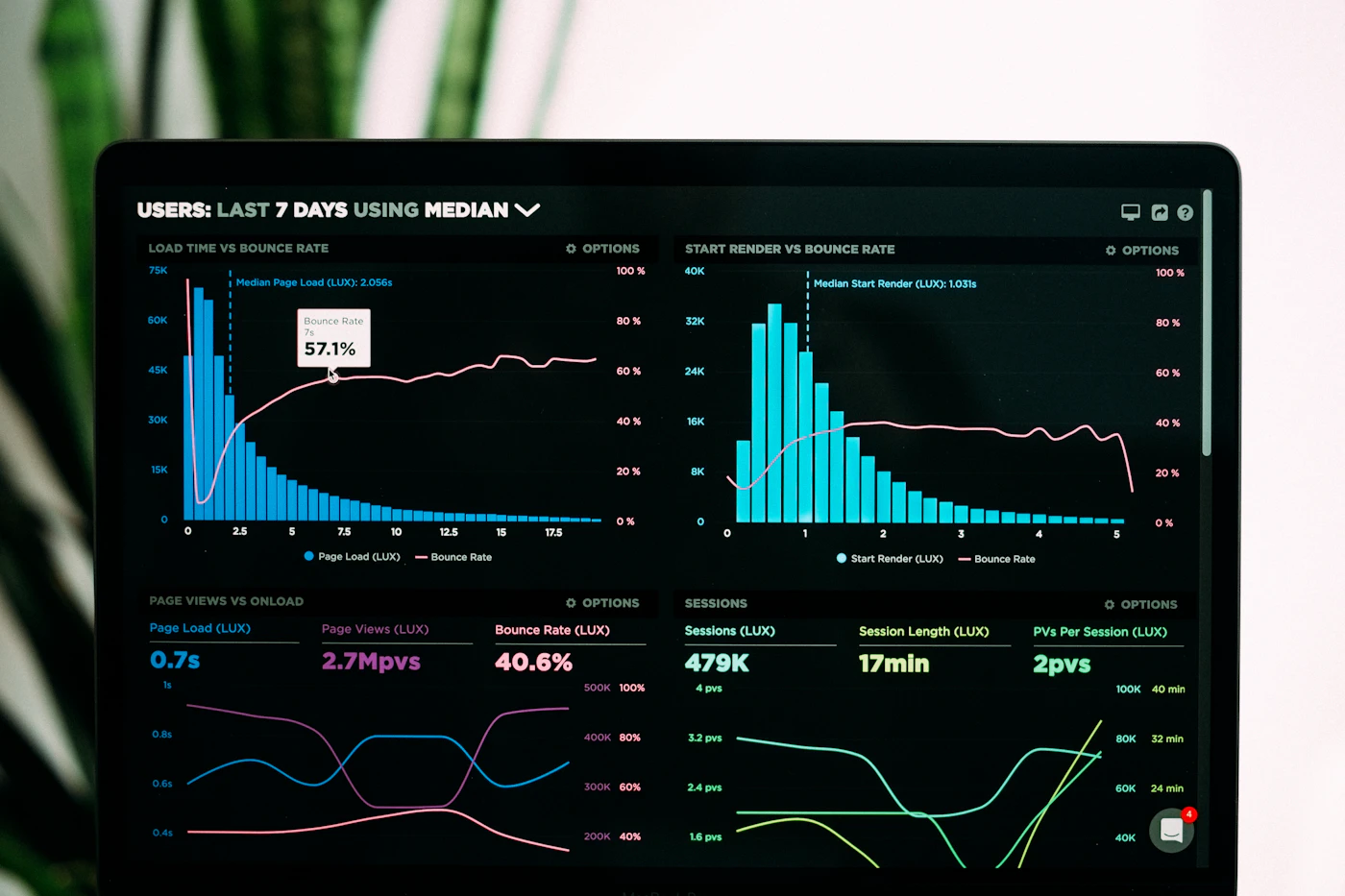

A faster WordPress site starts with boring evidence. It is tempting to install another optimization plugin, click every minify checkbox, and hope the score improves. Sometimes that works for a moment. Often it creates a fragile site where cached pages, JavaScript, fonts, images, ads, and third-party widgets all compete for the same visitor patience.
The better approach is to fix the few things that slow most WordPress sites: heavy pages, unclear cache behavior, oversized media, unnecessary plugin output, and poor hosting or database response. These five tips are not tricks. They are the foundation you can verify.
1. Prove that public pages are cached
Page cache is usually the biggest win for blogs and marketing sites. If a visitor requests a public post, WordPress should not need to run PHP and database queries every time. A cache layer should store the generated HTML and serve it quickly to the next logged-out visitor.
Test the homepage and a normal post twice while logged out. Look for evidence such as a second-request HIT, an increasing Age header, or a host-specific cache header. If every request is a MISS or BYPASS, find out why before touching smaller optimizations. Common causes include logged-in testing, cookies, query strings, duplicate cache plugins, excluded URLs, and CDN rules that do not cache HTML.
2. Reduce image weight before chasing scripts
Images are often the largest part of a blog page. A single uncompressed hero image can outweigh the rest of the page combined. Resize images to the dimensions the layout actually needs, compress them, and serve modern formats when possible.
Do not use huge images and depend on the browser to shrink them. The visitor still downloads the weight. Good image handling is especially important for recipe posts, travel blogs, tutorials, reviews, and any content with screenshots.
3. Remove plugin output that does not earn its place
Every front-end plugin can add scripts, styles, database work, cookies, or external requests. Some are worth it. Many are not. Audit the front end, not just the plugin list. A plugin that seems small in the dashboard can still inject a large script into every post.
Look closely at popups, sliders, related-post widgets, social sharing bars, page builder add-ons, ad tools, review boxes, and analytics integrations. If a feature appears on one page, try not to load it globally.
4. Keep JavaScript from blocking the first view
Modern WordPress sites often become slow because the browser waits for too much JavaScript before the reader can interact. Defer non-critical scripts, remove duplicate libraries, and be cautious with combining or minifying scripts if it breaks dependencies.
Performance is not only about total page size. It is about the order of work. A page can be large but feel usable if critical text, layout, and images arrive quickly. It can be smaller but frustrating if render-blocking scripts delay the first view.
5. Fix the server path when cache cannot help
Not every request can be cached. Admin pages, logged-in views, carts, checkout pages, personalized dashboards, search results, and some API requests still need live server work. If those areas are slow, look at hosting, PHP version, database queries, object cache, theme work, and plugin behavior.
Persistent object cache through Redis or Memcached can help dynamic WordPress workloads, but only if it is actually connected and monitored. Installing an object-cache drop-in is not the same as having a healthy object cache service.
A simple weekly performance habit
Pick one public post and one important conversion page. Test them logged out. Check cache headers, page weight, image sizes, and obvious script bloat. Then test one private or dynamic path that should bypass cache. This habit catches problems after plugin updates, theme changes, ad changes, and hosting changes.
Bottom line
A faster WordPress site is not built by piling optimization on top of uncertainty. First confirm that caching works. Then reduce page weight, simplify plugin output, manage JavaScript carefully, and improve the server path for pages that cannot be cached. That sequence saves time because each fix addresses a real bottleneck.
Common mistakes to avoid
Do not copy a fix from another site without checking whether your site has the same stack. WordPress problems often share symptoms across very different causes. Two sites can show the same browser error, redirect issue, translation problem, or plugin conflict while requiring completely different fixes because their hosting, cache, theme, and plugin combinations differ.
Do not judge success only from the admin screen. Many WordPress issues appear only for public visitors, mobile users, customers, or search crawlers. Open a private browser window, test the exact URL, and check the same user journey a real visitor would take. That small habit catches problems that dashboard-only testing misses.