Quick Answer: What is WP SmartMonitor Pro? WP SmartMonitor Pro is a WordPress product, service, or workflow evaluated by its practical use, limitations, maintenance demands, compatibility, and long-term fit. A useful decision considers the complete site stack and the people who will operate it after the initial setup.
| WP SmartMonitor Pro | a comparable WordPress alternative |
|---|---|
| Directly addresses the primary problem or decision in this article. | Uses a different workflow, product, or trade-off for a related outcome. |
| Best when its control, compatibility, maintenance, and evidence fit the site. | Best when simplicity, portability, performance, or another project constraint matters more. |
Use WP SmartMonitor Pro when the reader has a specific goal
Start with the outcome the reader wants, not with a feature list. For WP SmartMonitor Pro, identify the page, audience, workflow, or decision involved, then check the active theme, plugins, hosting, mobile experience, analytics, and caching before changing production settings.
Record the current state and test one representative example first. This makes the result easier to verify and gives you a defensible rollback point if the change affects visitors, search visibility, forms, or revenue.
Use WP SmartMonitor Pro to compare the practical tradeoffs
The closest alternative is a comparable WordPress alternative, but the right choice depends on the job rather than brand familiarity. Compare control, compatibility, accessibility, performance, support, exportability, security, recurring maintenance, and the cost of changing direction later.
A professional decision names who should use the option, who should avoid it, and what evidence would change the recommendation. That is more useful than calling one tool the universal winner.
Use WP SmartMonitor Pro and verify the result
After applying the advice, test the same public URL or workflow as the same type of visitor who reported the issue. Check desktop and mobile layouts, browser console errors, forms, login, search, and any cache or redirect headers relevant to the topic.
Do not treat a successful dashboard action as proof that the public experience is correct. Keep a short change note with the date, versions, URLs tested, result, and rollback path.
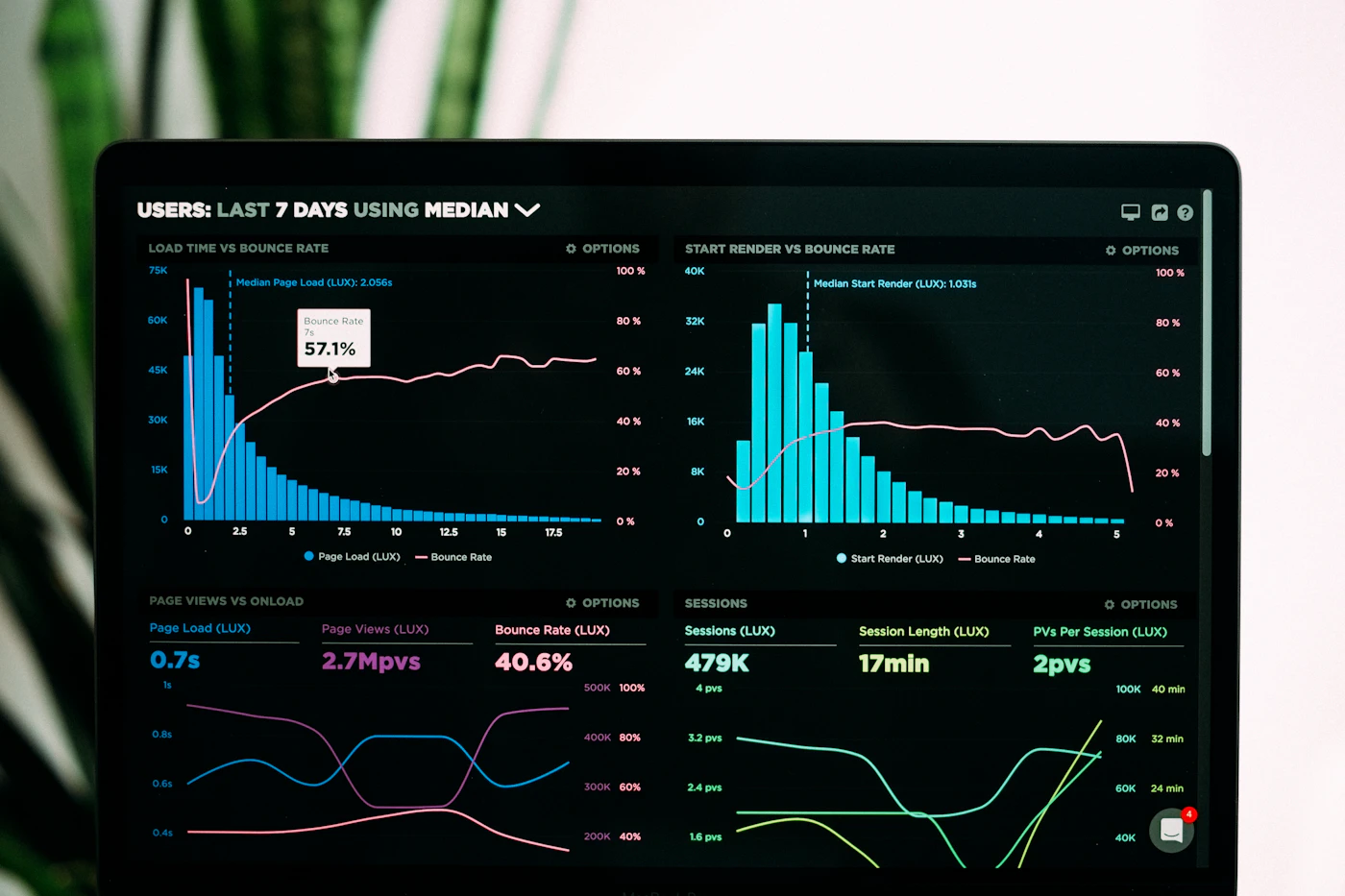
Monitoring sounds simple: tell me when the site is down. For real WordPress ownership, that is only the beginning. A useful monitoring tool should help you understand uptime, slow pages, failed updates, PHP errors, broken emails, cache drift, expired certificates, and changes that happen after plugin or host updates.
What monitoring should cover
A serious WordPress monitoring setup should answer several questions: is the site reachable, is it fast enough, did an update break something, are backups running, are there security warnings, and did cache behavior change after a deploy?
A plugin does not need to do all of this alone, but the monitoring stack should. If WP SmartMonitor Pro is being evaluated, judge it by the quality of decisions it supports, not only the number of dashboard widgets.
Uptime alerts are only the first layer
A basic uptime check requests the site and reports whether it returns a successful response. That is useful, but incomplete. A site can return 200 while the homepage is stale, checkout is broken, contact forms fail, or the admin area is unusably slow.
Better monitoring checks important URLs, not only the homepage. For WordPress, that might include one public post, the login page, a form confirmation path, a WooCommerce cart page, and a lightweight health endpoint if available.
Performance history
Monitoring should keep history. A one-time speed result is useful only in the moment. The value appears when you can see that a page became slower after a plugin update, ad change, host migration, image upload, theme edit, or CDN rule change.
For WPColt readers, the most useful performance history separates public cached pages from dynamic private pages. A slow checkout and a slow blog post often have different causes.

Update monitoring
WordPress maintenance involves core, theme, and plugin updates. A monitoring tool should show what needs attention, what changed recently, and whether updates produced warnings. The best update report is tied to verification: did the public site still load correctly afterward?
Agencies especially need this history because clients often notice symptoms without knowing what changed. A clear update log can shorten troubleshooting dramatically.
Security and certificate checks
Monitoring should catch expired SSL certificates, suspicious downtime, failed login surges, known vulnerable plugin versions, and unexpected admin changes where possible. It should also avoid creating a false sense of safety. Monitoring is not a replacement for backups, least-privilege accounts, and strong update practices.
Any monitoring plugin that collects sensitive data should explain what it stores and where it sends it. Site owners should not trade visibility for unnecessary data exposure.
Cache monitoring
Most uptime tools do not answer whether cache is working. That is the diagnostic gap WPColt cares about. A site can be online but accidentally bypassing page cache after a cookie change. It can be online but serving stale HTML from a CDN after a purge failure.
If a monitoring product integrates cache checks, it should test public URLs twice, compare headers, record HIT/MISS/BYPASS states, and alert only when the change is meaningful.

What to avoid
Avoid monitoring that creates alert fatigue. If every minor fluctuation becomes an urgent email, the team stops paying attention. Alerts should be grouped by severity and actionability.
Also avoid heavy monitoring plugins that slow the site they are supposed to protect. If a plugin adds expensive checks to every frontend request, that is a problem.
| Monitoring signal | Useful alert |
|---|---|
| Uptime | Important URL unavailable for more than one check |
| Performance | Public cached page slower than baseline for repeated checks |
| Updates | Plugin update followed by errors or frontend regression |
| SSL | Certificate close to expiry or invalid |
| Cache | Public page changes from HIT to repeated BYPASS |
Final recommendation
Treat WP SmartMonitor Pro as a monitoring candidate, not a magic shield. The right monitoring stack catches downtime, tracks changes, explains performance drift, protects security basics, and helps verify that WordPress cache still behaves after every meaningful change.