Quick Answer: What is Google Analytics for WordPress? Google Analytics for WordPress is the central concept or practical question addressed by this guide. It matters because WordPress decisions affect publishing, visitors, search visibility, security, speed, and maintenance. The answer should lead to a result that a site owner can check.
| Google Analytics for WordPress | a comparable WordPress alternative |
|---|---|
| Directly addresses the primary problem or decision in this article. | Uses a different workflow, product, or trade-off for a related outcome. |
| Best when its control, compatibility, maintenance, and evidence fit the site. | Best when simplicity, portability, performance, or another project constraint matters more. |
Use Google Analytics for WordPress when the reader has a specific goal
Start with the outcome the reader wants, not with a feature list. For Google Analytics for WordPress, identify the page, audience, workflow, or decision involved, then check the active theme, plugins, hosting, mobile experience, analytics, and caching before changing production settings.
Record the current state and test one representative example first. This makes the result easier to verify and gives you a defensible rollback point if the change affects visitors, search visibility, forms, or revenue.
Use Google Analytics for WordPress to compare the practical tradeoffs
The closest alternative is a comparable WordPress alternative, but the right choice depends on the job rather than brand familiarity. Compare control, compatibility, accessibility, performance, support, exportability, security, recurring maintenance, and the cost of changing direction later.
A professional decision names who should use the option, who should avoid it, and what evidence would change the recommendation. That is more useful than calling one tool the universal winner.
Use Google Analytics for WordPress and verify the result
After applying the advice, test the same public URL or workflow as the same type of visitor who reported the issue. Check desktop and mobile layouts, browser console errors, forms, login, search, and any cache or redirect headers relevant to the topic.
Do not treat a successful dashboard action as proof that the public experience is correct. Keep a short change note with the date, versions, URLs tested, result, and rollback path.
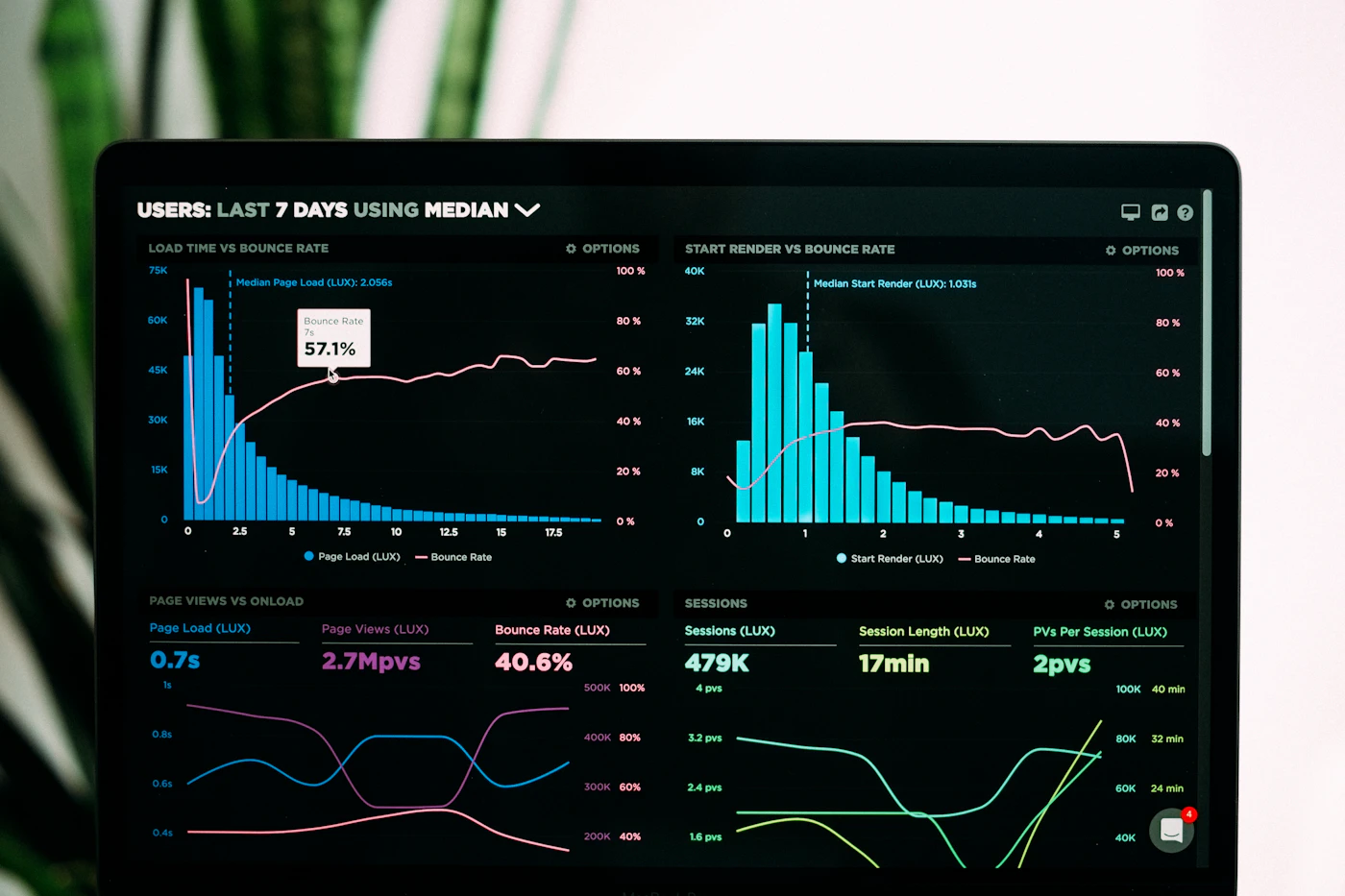

Google Analytics can help WordPress site owners understand traffic, content performance, campaigns, and reader behavior. It can also become another source of front-end weight, privacy questions, duplicated tracking, and confusing dashboards. The right setup starts with a simple goal: collect the data you actually use, load it responsibly, and avoid installing multiple tools that all do the same job.
What Google Analytics is useful for
For most WordPress publishers, Google Analytics answers practical questions. Which posts bring visitors? Which pages lead to conversions? Which sources send useful traffic? Do readers return? Are mobile visitors behaving differently from desktop visitors? Those answers can guide updates, internal links, content planning, affiliate strategy, and service pages.
The mistake is treating analytics as a magic scoreboard. A dashboard cannot tell you why a post is good, whether the search intent is right, or whether the page deserves a better call to action. It gives signals. Editorial judgment still matters.
Plugin or manual install?
You can add Google Analytics to WordPress through a plugin, a tag manager, a theme option, or a small code snippet. A plugin is convenient when it handles consent, admin reporting, ecommerce events, or easy configuration. A manual snippet can be cleaner when you only need basic pageview tracking and already know where scripts should load.
Do not install two analytics plugins plus a tag manager unless there is a documented reason. Duplicate tracking can inflate data and slow the site. If you inherit a site, search the theme, header tools, plugins, and tag manager before adding a new tracking method.
Performance impact
Analytics scripts are usually not the largest part of a WordPress page, but they are still third-party JavaScript. They can affect loading order, privacy prompts, caching decisions, and real-user performance. Load the script once, place it responsibly, and avoid extra dashboard widgets or marketing add-ons that inject more scripts than needed.
If a site has a strict performance budget, consider whether a lighter analytics platform is enough. If advertisers or stakeholders require Google Analytics, keep the implementation lean and audit it after plugin changes.
Privacy and consent
Analytics setup is also a privacy decision. Rules vary by country, audience, configuration, and data use. Site owners should understand whether consent is required, whether IP-related settings apply, how long data is retained, and what other marketing tools are connected. This is not just a legal checkbox; it affects trust.
Cache-aware setup
Google Analytics should not prevent normal public page caching. Be careful with plugins that set visitor-specific cookies from the server side on every page. Most analytics tracking happens in the browser and should not force WordPress HTML to bypass page cache. If cache headers change after adding analytics or consent tooling, test the homepage and a post while logged out.
Bottom line
Use Google Analytics when it answers real business or editorial questions. Add it once, verify that it records correctly, keep the implementation lightweight, and revisit it when the site changes. The best analytics setup is the one you trust, understand, and actually use.
Common mistakes to avoid
Do not copy a fix from another site without checking whether your site has the same stack. WordPress problems often share symptoms across very different causes. Two sites can show the same browser error, redirect issue, translation problem, or plugin conflict while requiring completely different fixes because their hosting, cache, theme, and plugin combinations differ.
Do not judge success only from the admin screen. Many WordPress issues appear only for public visitors, mobile users, customers, or search crawlers. Open a private browser window, test the exact URL, and check the same user journey a real visitor would take. That small habit catches problems that dashboard-only testing misses.
Do not leave important pages without a maintenance owner. Older evergreen tutorials, product reviews, policy pages, and glossary entries can become strong SEO assets, but only when someone is responsible for revisiting them. A page that keeps earning links deserves periodic review, clearer examples, and updated internal links.